11분 읽기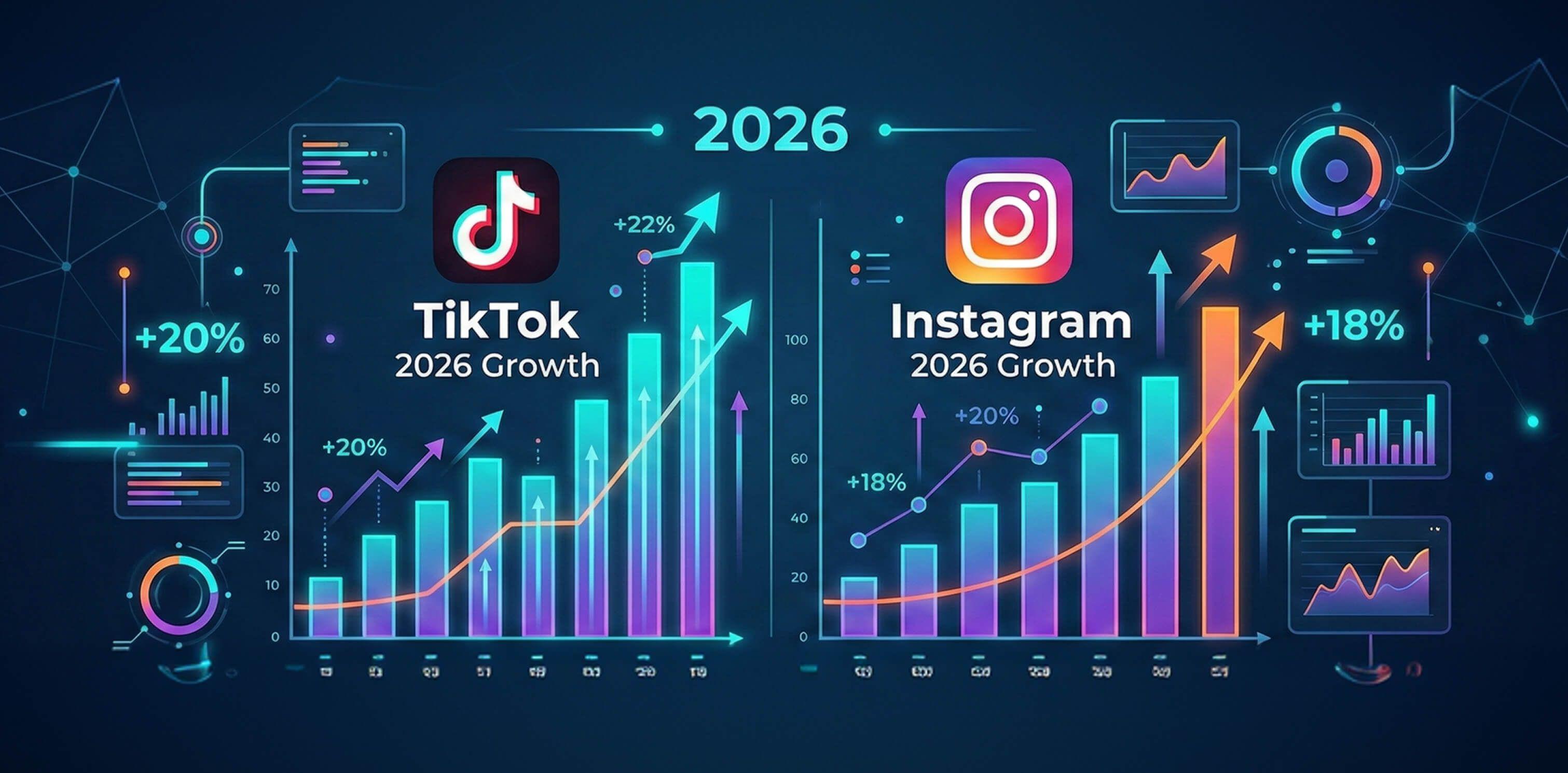
라틴아메리카에서 어떤 소셜 미디어 플랫폼이 지배적인지 예측해 본 적이 있다면, 디지털 룰렛 게임을 하는 기분일 수 있습니다. 한 순간 TikTok이 절대적인 왕이었다가, 다음 순간 Instagram이 완전히 판을 뒤집습니다. 하지만 여기 반전이 있습니다: 단일 승자는 없습니다.
2026년 가장 매력적인 소셜 미디어 전장에 오신 것을 환영합니다. 여기서 멕시코와 아르헨티나는 TikTok 대 Instagram 전쟁에서 완전히 다른 길을 선택했습니다. 같은 집안에서 자란 두 형제가 완전히 반대되는 성격을 발전시키는 것 같습니다. 하나는 거칠고 알고리즘적이며, 다른 하나는 세련되고 관계 중심적입니다.
표면 아래에서 실제로 무슨 일이 일어나고 있는지, 다른 곳에서는 찾을 수 없는 세 가지 통찰력으로 설명해 드리겠습니다.
숫자는 거짓말하지 않습니다: 두 시장 이야기
흥미로운 통찰력을 살펴보기 전에, 확실한 데이터로 기반을 다져 봅시다. 멕시코-아르헨티나 역전 현상은 글로벌 소셜 미디어 시장에서 전례가 없습니다:
| 시장 | TikTok 월간 활성 사용자 | Instagram 월간 활성 사용자 | 플랫폼 리더 | TikTok 점유율 | Instagram 점유율 |
|---|---|---|---|---|---|
| 멕시코 | 8,540만–9,900만 | 5,960만 | TikTok (+43–66%) | 57.3–87.7% | 41.8% |
| 아르헨티나 | 2,920만 | 3,250만 | Instagram (+11%) | 52.8% 성장 | 67.7% |
출처: DataReportal
멕시코에서 TikTok은 105.7% 성인 도달률로 거의 보편적인 존재감을 자랑합니다. 맞습니다, 제대로 읽으셨습니다. 이 통계적 이상 현상은 다중 계정 소유와 플랫폼의 일상 디지털 루틴에 대한 깊은 통합을 반영합니다. 한편, 아르헨티나는 Instagram의 성숙한 생태계에 집착하며, 여기서 크리에이터 참여율은 TikTok의 글로벌 평균 **3.70%**에 비해 **4–6%**로 치솟습니다.
하지만 원시 숫자는 이야기의 절반만 말해줍니다. 이렇게 다른 길을 추진하는 진정한 원인을 살펴봅시다.
통찰 #1: 인플레이션 저항 소셜 커머스—아르헨티나 경제 폭풍 속 승자는 누구인가?
이렇게 상상해 보세요: 아르헨티나 소비자로서 부에노스아이레스 여름 더위 속 아이스크림보다 더 빨리 페소가 증발하는 것을 지켜보고 있습니다. 인플레이션이 만연하고, 통화 변동성이 일상이며, 전통적인 전자상거래는 모노폴리 돈으로 도박하는 기분입니다.
그렇다면 어디로 돌아서야 할까요? TikTok의 "Lo necesito ya"(지금 필요해요) 라이브 쇼핑 아니면 Instagram의 확립된 결제 생태계?
답은 놀라울 수 있습니다.
라이브 쇼핑의 장점
TikTok Shop은 인플레이션 심리를 직접적으로 상쇄하는 방식으로 긴급성을 무기화했습니다. 2026년 초 TikTok Shop이 출시된 멕시코에서는 라이브 쇼핑 구매의 73%가 제품 제시 후 90초 이내에 발생합니다. 이 충동 주도적 상거래 모델은 경제적 불확실성 속에서 번성합니다. 내일의 구매력이 의문스러울 때, 오늘의 "지금 구매" 버튼은 저항할 수 없게 됩니다.
하지만 여기 함정이 있습니다: 아르헨티나의 경제적 복잡성은 다른 계산법을 만듭니다.
| 플랫폼 | 아르헨티나 전략 | 주요 한계 |
|---|---|---|
| TikTok | 실험적 (예산의 15–25%) | 결제 인프라 복잡성, 규제 탐색 |
| 주요 기반 | 통화 변동성, 광고 지출 압축 |
출처: Media Mister
Instagram의 Mercado Pago 통합과 확립된 분쟁 해결 인프라는 인플레이션에 지친 소비자들이 절실히 필요로 하는 신뢰의 닻을 제공합니다. TikTok의 라이브 쇼핑이 긴급성을 창출하는 동안, Instagram의 결제 신뢰성은 확신을 창출합니다. 모든 페소가 중요할 때 결정적인 차이입니다.
결론은? Instagram이 현재 아르헨티나의 인플레이션 저항 상거래 전투에서 승리하지만, TikTok의 폭발적인 연간 52.8% 성장률은 이 리더십이 영원히 지속되지 않을 것임을 시사합니다.
통찰 #2: 라틴아메리카 마이크로 드라마의 부상—텔레노벨라가 TikTok을 만나다
이제 멕시코에서 TikTok의 일일 95분 이상 참여 뒤에 숨은 비밀 소스를 이야기해 봅시다. 이는 Instagram의 30–35분 평균보다 거의 세 배에 달합니다. 이 미친 시간 소비 격차를 추진하는 것은 무엇일까요?
TikTok 마이크로 드라마입니다.
세대를 정의한 극적이고 클리프행어로 가득 찬 연속극인 라틴아메리카 텔레노벨라를 보며 자랐다면, 즉시 패턴을 알아차릴 것입니다. TikTok의 연재형 단편 내러티브(에피소드당 1–3분)는 본질적으로 Z세대와 알파세대를 위한 텔레노벨라 형식을 디지털화했습니다.
문화적 DNA와 알고리즘 최적화의 만남
전통적인 텔레노벨라는 시청률을 유지하기 위해 주간 에피소드와 워터쿨러 대화에 의존했습니다. TikTok 마이크로 드라마는 이를 일일(때로는 시간별) 편성으로 압축하며, 알고리즘적 연재화가 에피소드 순서를 최적화하고 댓글 영향을 받은 플롯 개발을 통해 크리에이터-청중 공동 창작을 가능하게 합니다.
숫자가 많은 것을 말해줍니다:
| 참여 지표 | TikTok 멕시코 | Instagram 글로벌 |
|---|---|---|
| 일일 시간 소비 | 95분 이상 | 30–35분 |
| 세션 빈도 | 일일 8–10회 열기 | 낮은 빈도 |
| 참여율 | 3.70% | 0.48% |
| 연간 성장률 | +49% | 정체 |
출처: Profound - Innovative Digital Projects
이 문화-제품-시장 적합성이 TikTok이 멕시코 관련 인구통계에서 87.7% 점유율을 달성하는 이유입니다. 이는 미국의 **50.6%**보다 상당히 앞서 글로벌 최고 수준에 위치합니다.
연재형 내러티브 소비의 텔레노벨라 전통과 TikTok의 낮은 제작 비용이 결합되어 대규모 현지 언어 콘텐츠를 가능하게 하며, Instagram의 미학 중심적이고 정적인 포스트 형식이 따라잡을 수 없는 완벽한 참여 폭풍을 일으킵니다.
통찰 #3: 알고리즘적 주권 대 사회적 영향력—멕시코인들은 어디에 신뢰를 두는가?
여기 백만 달러 질문(아니면 백만 페소 질문)이 있습니다: 정치 선거, 사회 문제, 또는 뉴스 소비와 관련하여, 멕시코인들은 TikTok의 알고리즘을 신뢰할까요, 아니면 Instagram의 소셜 그래프를 신뢰할까요?
데이터는 정보 소비 행동에서 매력적인 분열을 드러냅니다.
For You 페이지 대 소셜 그래프
TikTok의 For You 페이지는 소비자 소셜 미디어에서 가장 정교한 관심 그래프 구현을 나타냅니다. 이는 시청 시간, 재생, 스크롤 속도와 같은 암시적 신호로부터 학습하며 콘텐츠 배포를 소셜 자본 축적과 분리합니다. 바이럴되기 위해 팔로워가 필요하지 않습니다. 그저 공감하는 콘텐츠만 있으면 됩니다.
대조적으로, Instagram은 팔로워 연결, 소셜 증명 신호, 확립된 관계를 우선시하는 소셜 그래프 하이브리드 모델로 작동합니다. 피드는 좋아하는 것뿐만 아니라 아는 사람에 의해 형성됩니다.
알고리즘 시대의 신뢰
이 구조적 차이는 다른 신뢰 역학을 만듭니다:
- Z세대의 77%가 제품 발견을 위해 TikTok 사용
- 63%가 뉴스 소비를 위해 TikTok 사용
두 수치는 Buffer에 따르면 다른 어떤 플랫폼보다 높습니다.
지속적인 인터넷 사용자 성장(1억 1천만 사용자, 83.5% 점유율)의 멕시코 맥락에서, TikTok의 알고리즘적 민주화는 Instagram의 팔로워 의존적 배포 모델에서 마찰을 겪을 사용자를 포착합니다. "새로운 인터넷 사용자" 세그먼트(더 젊은 인구통계, 낮은 소득 가구, 비대도시 인구)는 소셜 그래프 구축 요구 사항 없이 즉각적인 플랫폼 유용성을 찾습니다.
하지만 여기 역설이 있습니다: TikTok이 발견과 인지에서 지배하는 동안, Instagram은 전환 최적화 성과에서 결정적인 우위를 유지합니다. Instagram에서 브랜드 콘텐츠를 접하는 사용자는 팔로우 관계, 프로필 탐색, 저장된 콘텐츠 행동을 통해 구매 준비 신호를 보내는 사전 자격화된 관심을 보여줍니다.
전략적 교훈: 편을 가르는 것이 아닙니다
그렇다면 이 분열된 풍경을 항해하는 브랜드를 위한 플레이북은 무엇일까요?
멕시코: TikTok 우선, Instagram 재타겟팅
| 요소 | 사양 | 근거 |
|---|---|---|
| 주요 플랫폼 | TikTok | 8,540만–9,900만 MAU, 105.7% 성인 도달률, 22% 성장 |
| 보조 플랫폼 | Instagram (재타겟팅) | 확립된 상거래 인프라, 더 높은 의도 사용자 |
| TikTok Shop | 우선 투자 | >12% 소셜 커머스 점유율, 43% 연간 성장 |
| 크리에이터 전략 | 마이크로 인플루언서 (1만–10만) | 알고리즘 증폭 효율성 |
아르헨티나: Instagram 기반, TikTok 실험
| 요소 | 사양 | 근거 |
|---|---|---|
| 주요 플랫폼 | 3,250만 MAU, 67.7% 점유율, 4–6% 크리에이터 참여 | |
| 실험적 할당 | TikTok (예산의 15–25%) | 2,920만 MAU, 52.8% 성장, 청소년 포착 |
| 크리에이터 전략 | 확립된 파트너십 | 참여 품질 장점, 브랜드 안전성 |
결론
2026년 라틴아메리카 소셜 미디어 풍경은 TikTok 대 Instagram에 관한 것이 아닙니다. 이는 알고리즘적 도달력 대 소셜 그래프 신뢰를 활용할 시기를 이해하는 것입니다.
멕시코에서 TikTok의 문화적 공명, 마이크로 드라마 혁신, 알고리즘적 민주화는 비교할 수 없는 규모와 참여를 창출합니다. 아르헨티나에서 Instagram의 확립된 신뢰 인프라, 크리에이터 생태계 성숙도, 경제적 회복력은 TikTok의 성장 속도가 아직 완전히 침식하지 못한 방어적 해자를 제공합니다.
CMO와 디지털 투자자에게 교훈은 분명합니다: 시장별 할당이 지역적 표준화를 능가합니다. 멕시코 TikTok 지배에 최적화된 캠페인 구조는 아르헨티나에서 저조한 성과를 낼 것이며, 아르헨티나 최적화 Instagram 전략은 멕시코에서 도달 기회를 놓칠 것입니다.
라틴아메리카에서 승리하는 플랫폼은 최고의 글로벌 기능을 가진 것이 아닐 것입니다. 현지 문화적 DNA, 경제적 현실, 신뢰 구조를 이해하는 플랫폼이 될 것입니다.
TikTok과 Instagram 오디언스 피드백을 비교하세요
LATAM 캠페인에서는 플랫폼별 통계만으로는 전체 흐름을 파악하기 어렵습니다. TikTok과 Instagram 댓글을 내보내면 시장별로 오디언스가 무엇을 묻고, 칭찬하고, 비판하고, 공유하는지 비교할 수 있습니다. CommentGrid는 필터링, 번역, 캠페인 인사이트 도출에 활용하기 쉬운 CSV, Excel, JSON 내보내기를 제공합니다.
 M
MMarshall Sun
Building CommentGrid to decode social conversations. Exploring the signal within the noise of the global social web.