12 minutos de lectura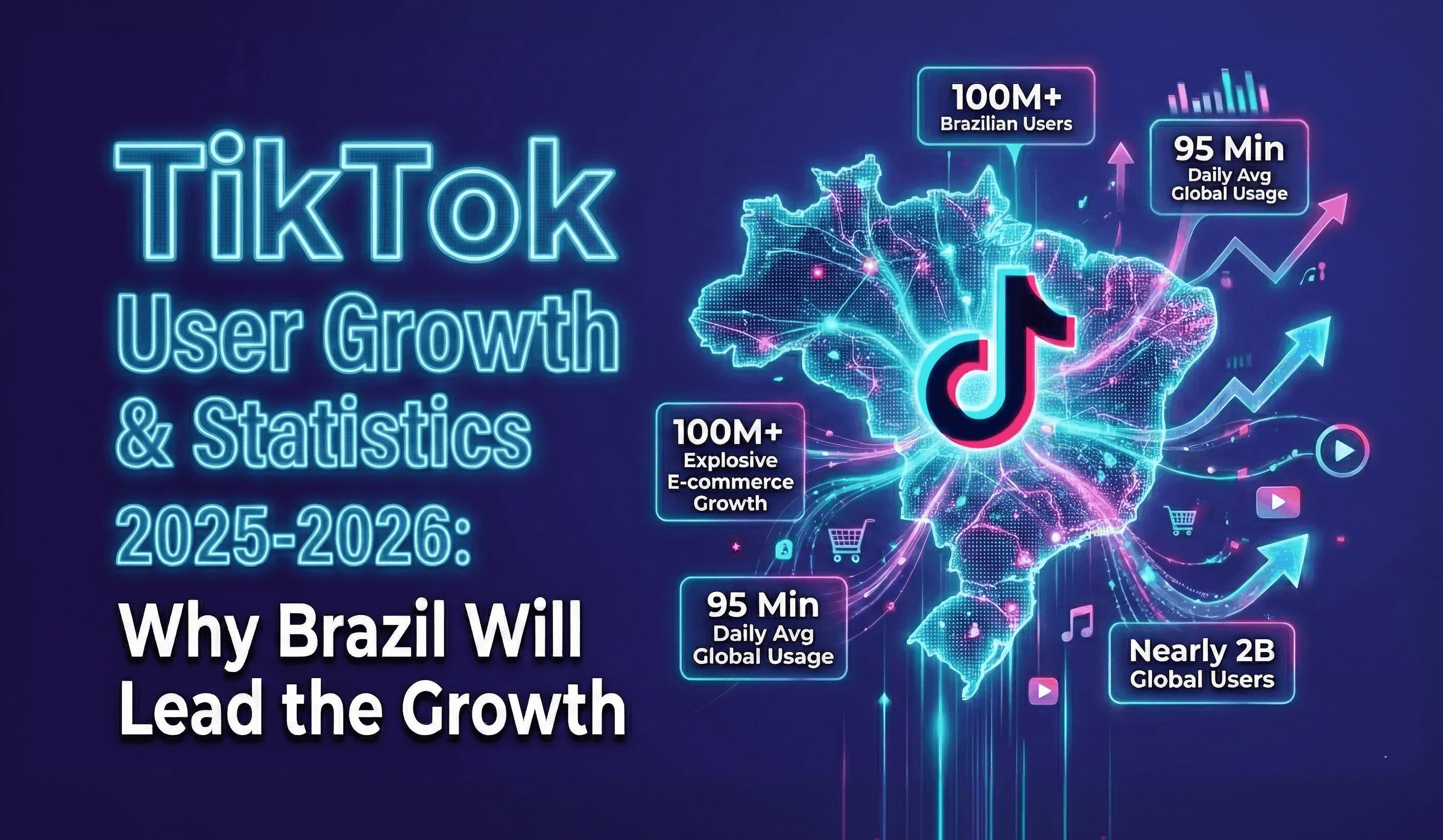
Imagina esto: Estás en una churrascaria en São Paulo, y en lugar de pasar la picanha, el camarero te entrega un teléfono mostrando un desafío de baile viral con Funk Carioca. Eso no es un sueño febril—es un martes en Brasil alrededor de 2025. Mientras Silicon Valley se obsesiona con envoltorios de IA y giros criptográficos, Brasil se ha convertido silenciosamente en el laboratorio más fascinante de TikTok: un lugar donde los algoritmos se encuentran con la alegría, y donde el video de formato corto no es solo entretenimiento—es oxígeno.
Como CEO de CommentGrid, he seguido plataformas sociales a través de ciclos de auge y caída. Pero la historia de TikTok en Brasil no es otro cuento de hadas de hipercrecimiento. Es algo más raro: madurez estructural con profundidad de compromiso explosiva. Déjame mostrarte por qué este mercado establecerá el manual global para 2026 y más allá—con datos que podrían hacer que tu hoja de cálculo sienta celos.
De Hipercrecimiento a Hábito: La Curva MAU Brasileña
Brasil se ha graduado de la fase de "frenesí de instalación". Mientras los números brutos de usuarios se estabilizaron alrededor de 92 millones de MAU a fines de 2025, la verdadera historia se esconde en la profundidad del compromiso. Así es como evolucionó el mercado:
| Trimestre | MAU de TikTok en Brasil (Millones) | Contexto del Mercado |
|---|---|---|
| Q2 2024 | 79.0 | Cambio del consumo web al nativo de la aplicación |
| Q1 2025 | 91.7 | Estabilización como mercado global top-3 |
| Q4 2025 | 92.0 | Integración profunda en rutinas digitales diarias |
| Q1 2026 (Pronóstico) | 94.5 | Crecimiento moderado mediante expansión regional |
Pero la estabilidad no es estancamiento. Con una relación DAU-a-MAU rondando entre 55% y 60%, más de la mitad de los brasileños con la aplicación la abren diariamente. Esta no es una aplicación "a veces"—está entretejida en la vida diaria como el cafezinho. Los usuarios no solo están desplazándose; están habitando la Página Para Ti.
El Secreto de 95 Minutos: Por Qué los Brasileños No Pueden Apartar la Mirada
Hablemos de economía de la atención. En 2025, el usuario promedio de TikTok en Brasil pasó unos impresionantes 95 minutos diarios en la plataforma. Para contextualizar:
| Plataforma | Tiempo Diario Promedio Pasado (Brasil, 2025) | Tasa de Compromiso |
|---|---|---|
| TikTok | 95 minutos | 3.70% (+49% interanual) |
| 62 minutos | 0.48% | |
| X (Twitter) | 30 minutos | 0.15% |
Esa tasa de compromiso del 3.70%—casi ocho veces la de Instagram—no es accidental. El algoritmo de TikTok recompensa la autenticidad sobre el pulido, una coincidencia cultural hecha en el cielo para los brasileños que valoran el jeitinho (improvisación creativa) sobre la perfección estéril. Cuando tu plataforma se siente como un boteco del vecindario en lugar de una sala de juntas corporativa, la gente se queda más tiempo. Simple como eso.
Más Allá de la Generación Z: El Gran "Envejecimiento"
Aquí es donde Brasil diverge de la narrativa global. TikTok ya no es "esa aplicación para adolescentes". La maduración demográfica cuenta una historia poderosa:
| Grupo de Edad | % de la Base de Usuarios (2025) | Significado Estratégico |
|---|---|---|
| 13–17 (Generación Alfa) | 18% | Creadores de tendencias culturales; $28B de influencia de gasto indirecto |
| 18–24 (Generación Z) | 35% | Núcleo de compromiso primario; creadores de tendencias |
| 25–34 (Millennials) | 23% | Segmento publicitario de mayor valor; poder adquisitivo estable |
| 35–44 | 14% | Creciente demanda de contenido de educación financiera y estilo de vida |
| 45+ | 10% | Sesiones de visualización más largas; buscadores de contenido basado en valores |
Esta utilidad multigeneracional transforma TikTok de un vehículo de tendencias en infraestructura de estilo de vida. ¿Cuando tu tía en Porto Alegre mira tutoriales de cocina y tu sobrino en Recife descubre nuevas pistas de funk en la misma aplicación? Has logrado ubicuidad digital.
TikTok Shop: Donde los Pagos Pix Se Encuentran con el Comercio Viral
La historia de TikTok Shop en Brasil es donde la teoría se encuentra con la realidad a nivel de calle. Lanzado en mayo de 2025, alcanzó $1 millón en GMV diario en meses—a pesar de la infame "taxa das blusinhas" (impuesto de las blusas) de Brasil sobre las importaciones. ¿El ingrediente secreto? Integración profunda con Pix, el sistema de pago instantáneo de Brasil utilizado por el 85% de los adultos.
No más abandono del carrito por fricción de tarjeta de crédito. Los usuarios ven un proyector LED transformando una habitación aburrida en un video de 15 segundos, tocan "Comprar Ahora", se autentican mediante código QR de Pix y reciben confirmación antes de que se cargue el siguiente video. Este flujo sin fricciones explica por qué el 71% de los usuarios descubren nuevos productos a través de TikTok, y el 39% de las compras están influenciadas por su contenido.
La belleza domina (18.65% de las ventas), pero ¿el verdadero motor de crecimiento? Pequeñas empresas. Más de un tercio de las transacciones de TikTok Shop provienen de PYME—muchas dirigidas por creadores que comenzaron con videos de baile y ahora venden accesorios de crochet hechos a mano en toda América Latina.
El Motor Silencioso de la Economía del Creador: Maduración de MCN
Las métricas brutas de la plataforma cuentan una historia. El ecosistema de creadores cuenta otra. En 2025, Brasil presenció una explosión silenciosa en MCN especializados centrados exclusivamente en verticales de TikTok. Firmas como Social Blue e Influu cambiaron de la "gestión genérica de influencers" a servicios hiperespecializados: pronóstico de tendencias algorítmicas, optimización de catálogos de TikTok Shop y expansión de audiencia transfronteriza a Portugal y Angola.
¿Por qué importa esto? La densidad de MCN es un indicador principal de madurez del ecosistema. Cuando existe infraestructura para profesionalizar la creación—no solo para celebridades sino para padeiros demostrando recetas de pão de queijo—has pasado de la novedad a una economía sostenible. Estas MCN no solo están escalando creadores; están escalando confianza, lo que alimenta la rueda voladora del compromiso.
Combustible de Propulsión Cultural: Cuando los Ritmos de Brasil Se Vuelven Globales
Terminemos donde comenzó Brasil: la cultura. Ocho de cada diez éxitos número 1 en Billboard en Brasil se volvieron virales en TikTok primero en 2025. Pero la verdadera magia es la ósmosis cultural inversa. Pistas como "To Voando Alto" de MC Poze no solo dominaron los feeds brasileños—desencadenaron desafíos de baile desde Lisboa hasta Luanda.
Los artistas brasileños dominaron la "sincronicidad algorítmica": la energía de 150 BPM del Funk Carioca y la narrativa emotiva del Sertanejo encajan en la arquitectura de atención de TikTok como una chave na fechadura (llave en una cerradura). Los creadores regionales ahora usan los análisis de TikTok para descubrir audiencias inesperadas—como un artista de forró encontrando fans en Marsella a través de sonidos geo-dirigidos.
Cuando tu cultura local se convierte en moneda global, la retención se vuelve inevitable. ¿Por qué los usuarios dejarían una plataforma que simultáneamente celebra su identidad y la exporta a todo el mundo?
El Foso de Infraestructura: 5G y el Centro de Datos de Pecém
Nada de esto funciona sin columna vertebral. El despliegue de 5G de Brasil transformó la experiencia móvil: las velocidades de descarga medianas saltaron de 47.09 Mbps a principios de 2024 a 239.43 Mbps a fines de 2025. Pero la inversión de $37 mil millones de ByteDance en el Centro de Datos de Pecém en Ceará—la primera instalación latinoamericana diseñada para refrigeración líquida lista para IA—fue el golpe maestro.
Esto no es solo sobre velocidad. Es sobre soberanía. Al anclar la infraestructura de datos localmente, TikTok se alineó con las ambiciones de "soberanía tecnológica" de Brasil mientras construía un foso regulatorio que los competidores no pueden replicar fácilmente. ¿Cuando tus servidores están a 500km de tu mayor base de usuarios en lugar de a 10,000km de distancia? La latencia desaparece. Los eventos de compras en vivo fluyen sin problemas. Los filtros de RA se renderizan instantáneamente.
La Línea de Fondo: Brasil como Plano
Entonces, ¿por qué Brasil liderará el crecimiento global de TikTok en 2026? No por el recuento de usuarios (ya es #3 globalmente después de EE. UU. e Indonesia). Sino porque demuestra lo que sucede cuando una plataforma logra simbiosis cultural:
- Profundidad de compromiso > crecimiento bruto de usuarios
- Utilidad multigeneracional > novedad juvenil
- Comercio localizado > carritos de compra genéricos
- Exportación cultural > consumo pasivo
- Soberanía de infraestructura > dependencia extraterritorial
Para Q1 2026, se proyecta que la penetración de TikTok en Brasil alcance 51.1% de los usuarios de internet—acercándose al 70% en centros urbanos. Pero ¿la métrica real que importa? Esa sesión diaria de 95 minutos donde una adolescente descubre una nueva pista de funk, su madre compra cuidado de la piel vía Pix, y su abuelo aprende consejos bursátiles—todo dentro de la misma aplicación.
Eso no es solo crecimiento. Esa es la vida digital, perfeccionada. Y el resto del mundo está tomando notas.
Analiza comentarios de TikTok en mercados de rápido crecimiento
El crecimiento de TikTok en Brasil no se trata solo de visualizaciones. La señal más valiosa está en los comentarios: preguntas sobre productos, jerga regional, feedback de creadores e intención de compra temprana. Con el TikTok Comment Exporter de CommentGrid, puedes descargar comentarios de TikTok como CSV, Excel o JSON y convertir esa conversación en investigación de mercado.
Prueba el TikTok Comment Exporter o ver todas las herramientas gratuitas.
 M
MMarshall Sun
Building CommentGrid to decode social conversations. Exploring the signal within the noise of the global social web.